
Play Group
A Gentle Start
Why Play Group
Matters at Ages 2–3
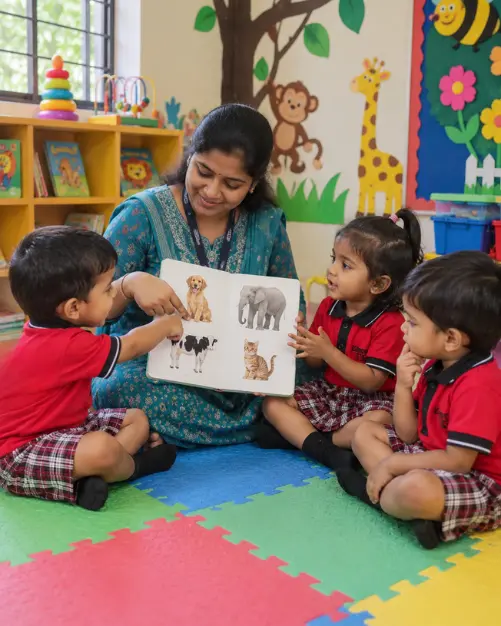
Between the ages of 2 and 3, children experience important growth in language, movement, social interaction, curiosity and emotional awareness. The London Kids Play Group programme for children aged 2–3 provides a safe and nurturing preschool environment with predictable classroom routines. This consistency helps children feel emotionally secure, become comfortable away from home and gradually build trust with teachers and classmates.
Through play-based learning activities such as stories, rhymes, music, movement, sensory exploration and guided conversations, children strengthen communication, vocabulary and listening skills. Physical activities support fine and gross motor development, while interaction with other children encourages sharing, participation and positive relationships.
Security
A Gentle Start
What Is the Play Group Program
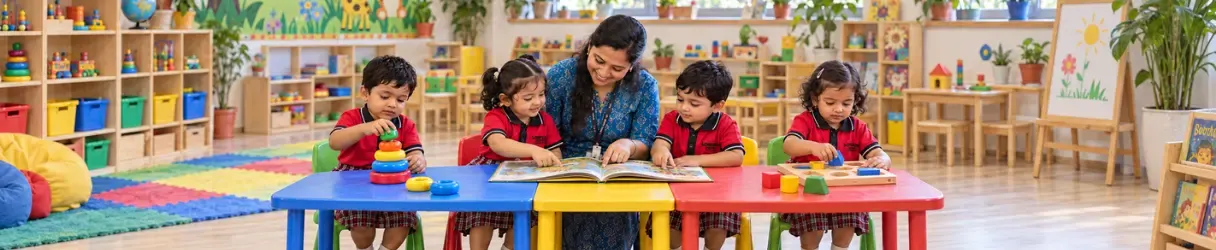
The London Kids Play Group programme is an early-learning programme designed for children aged 2–3 years. It provides a gentle introduction to preschool and helps children become comfortable with teachers, classmates, classroom routines and learning outside the home.
At this age, children learn naturally through play, movement, observation, repetition and interaction. The programme therefore uses age-appropriate experiences such as stories, rhymes, music, sensory exploration, creative activities, movement and guided play. These experiences help children strengthen communication, vocabulary, fine and gross motor skills, curiosity, confidence and social-emotional development.
Children are also encouraged to listen, express their needs, participate in group activities, share learning materials and gradually manage simple tasks independently. The focus is not on formal academic pressure but on creating positive early-learning experiences suited to each child’s developmental stage and learning pace.
Through this play-based preschool programme for 2–3-year-olds, London Kids helps children build the foundational skills and classroom confidence needed for a smooth transition to the Nursery programme.
The First Step
Play Group at a Glance
 01
Age Group
Designed for toddlers beginning their preschool journey.
 02
Learning Approach
Children learn through stories, movement, sensory exploration and guided play.
 03
Developmental Focus
Supports communication, motor skills, curiosity, confidence and social-emotional growth.
 04
Next Step
Builds routines, independence and classroom confidence for the next stage.
EARLY DEVELOPMENT
Key Developmental Goals for Ages 2–3
Communication Skills
Stories, rhymes and conversations help children listen, understand new words and express their needs.
Fine & Gross Motor Skills
Drawing, stacking, balancing and movement activities strengthen coordination, hand control and body awareness.
Social-Emotional Development
Group play and familiar routines help children recognise emotions, build confidence, share and form positive relationships.
Cognitive Growth
Matching, sorting, puzzles and observation encourage curiosity, memory, attention and simple problem-solving.
Creativity
Art, music, pretend play and open-ended activities encourage imagination and joyful self-expression.
Early Independence
Simple choices, self-help routines and classroom responsibilities help children become more confident and independent.
Learning Through Experience
How Play Group Children Learn
The London Kids Play Group programme uses age-appropriate learning methods for children aged 2–3 years. Children learn through listening, movement, guided activities, visual content and purposeful play—without formal academic pressure.
Oral Learning
Stories, rhymes, songs, repetition and simple conversations help children listen carefully, understand new words and express their needs with growing confidence.
Pre-Writing Readiness
Scribbling, finger tracing, playdough, stacking and sorting strengthen hand muscles, grip and hand-eye coordination for future writing.
Guided Digital Learning
Teacher-guided animated stories, songs and visual activities introduce colours, shapes, sounds and simple concepts in an engaging way.
Play-Way Learning
Sensory play, building blocks, pretend play, music and movement help children explore, think, communicate and learn through enjoyable experiences.
Growing with Confidence
Understanding Progress and Preparing for Nursery
Understanding Progress
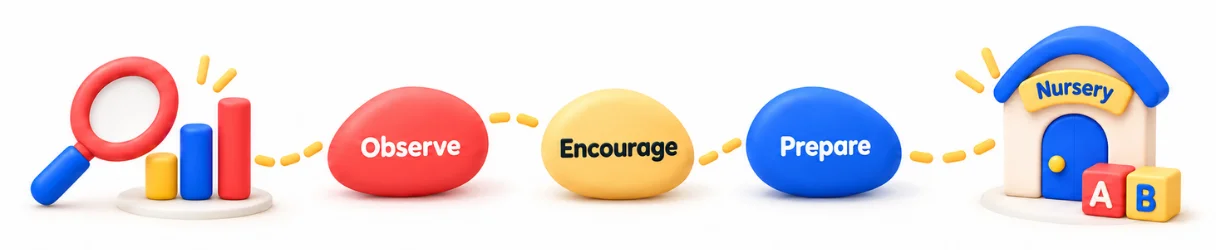
Every child develops at an individual pace. In the London Kids Play Group programme for children aged 2–3 years, teachers observe how each child participates in activities, communicates, moves, interacts with others and responds to familiar routines. They also notice growing confidence, curiosity and emerging skills during stories, play, movement and guided classroom experiences. This observation-based approach helps teachers understand each child’s development and provide suitable encouragement without using marks, grades, comparisons or guaranteed outcomes.
Preparing for Nursery
These everyday observations also support Nursery readiness. Through predictable routines, group participation, simple conversations, self-help tasks and early learning experiences, children gradually become more comfortable in the preschool environment. They learn to express their needs, listen to simple instructions, participate with others and manage small tasks more independently. This gentle preparation builds the communication, confidence, independence and familiarity with early concepts needed for a smoother transition from Play Group to Nursery.
Frequently Asked Questions
Your important question answered right here

Find Quick Answers to Common Questions


Complete the Admission Enquiry Form and attend an interaction with the Centre Head. Admission is confirmed according to the child’s eligibility and seat availability. Parents can then submit the required form and documents and pay the applicable fees.
Play Group introduces toddlers to social interaction, basic routines and play-based learning. Children are encouraged to explore their surroundings while developing early communication, social and cognitive skills.
Children participate in art and craft, storytelling, music and movement, role play, sensory play, festival celebrations and physical activities. Activities may vary according to the child’s age, lesson plan and centre schedule.
Teaching combines purposeful play, guided activities and hands-on exploration. Depending on the child’s age and lesson, teachers may use puzzles, flashcards, manipulatives, charts, stories, rhymes, music, art, movement and digital learning resources.
Group activities, classroom routines, guided interactions and collaborative play encourage children to communicate, express themselves, build confidence and develop positive relationships.
Activities such as drawing, building, balancing, movement exercises and working with puzzles or manipulatives help children develop fine and gross motor skills.